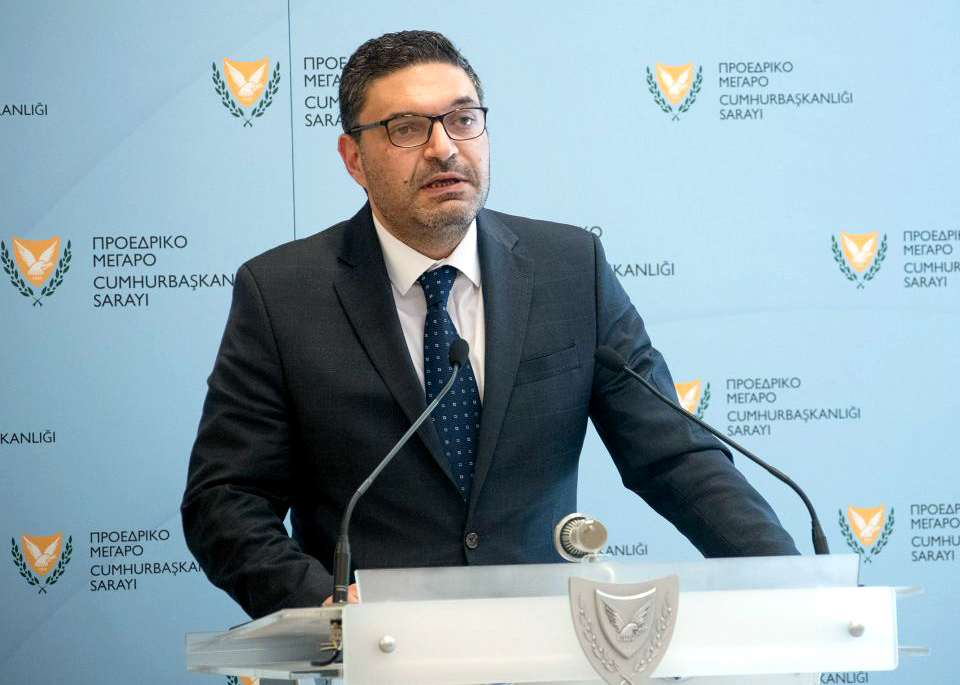
Cyprus to offer tax incentives to promote headquartering

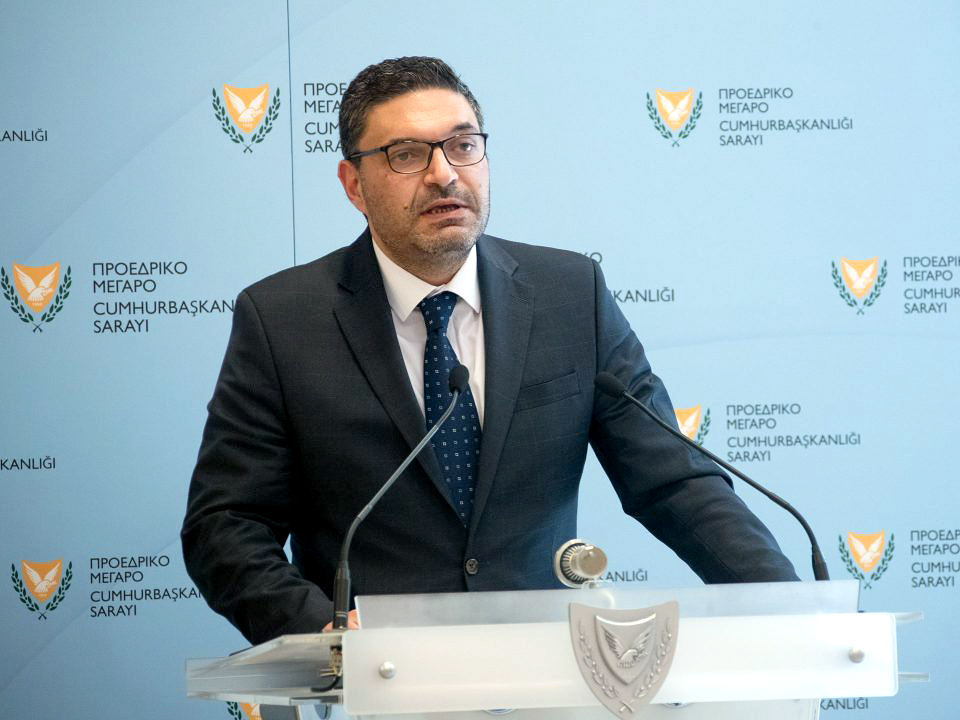
Nicosia - The Cypriot government approved yesterday a bill with tax incentives aiming to attract talent and promote headquartering in Cyprus, in line with the Strategy for Attracting Businesses for Activities or/and Expansion of their Activities in Cyprus approved by the Council of Ministers in October 2021. In a statement following a Cabinet meeting, Finance Minister, Constantinos Petrides, said that the Ministry of Interior is expected to table a bill granting visas and work permits to spouses of professionals that opt to relocate in Cyprus, as well as the operation of a One-Stop-Shop. “We are convinced that this programme is one of the most competitive in the EU and already, there is a huge interest particularly from high tech companies which in recent years have selected Cyprus as the place to relocate their headquarters,” Petrides said, adding “we are certain that this bill will further boost the development of this sector which constitutes a strategic aim for the government.” The bill provides for the reduction of the minimum required salary from €100.000 to €55.000 per annum (p.a). For existing employees, the bill provides for a 50% tax break on remuneration from employment earning €55.000 p.a. exercised in Cyprus by individuals already in Cyprus, provided that prior to the commencement of their employment in Cyprus they was abroad for 12 consecutive years. The bill also provides a grace period of six months for obtaining the benefit, while the exemption will continue to apply for 17 years from the commencement of employment. For new employees, the bill provides a 50% tax deduction on remuneration exercised in Cyprus by an individual who was abroad for 12 consecutive years, while eligible persons should earn €55.000 p.a. For new employees the grace period amounts to two years for obtaining the benefit. The exemption will also be provided for 17 years from the commencement of employment. Petrides said the employees and businesses opting to relocate in Cyprus due to the plan will bring direct and indirect benefits to the Cypriot economy, while businesses are encouraged to relocate their administration to the Republic bringing “real infrastructure to the island.” “Through this relocation, the tax base and consequently the tax income is broadened,” he said.


Continue ReadingCyprus to offer tax incentives to promote headquartering

Latest version of ‘Cyprus VAT: An Overview’ released

Limassol - Chelco VAT Ltd has just released the most recent version of its definitive guide to Cyprus Value Added Tax (VAT), titled ‘Cyprus VAT: An Overview’. The Overview was updated in May 2022 and represents a valuable tool for professionals at all levels dealing with VAT in Cyprus. Authored by Managing Director of Chelco VAT, Alexis Tsielepis, and Director, Panayiotis Panayi, the Overview was first published in January 2015 and is updated annually. Throughout the Overview, reference is made to some of the more significant Interpretive Circulars issued by the Cyprus VAT Authorities, referenced by their numbers and dates of issue. To download the Overview in .pdf, you may click here:

Continue ReadingLatest version of ‘Cyprus VAT: An Overview’ released

Chelco Trustees launches all-new website

Limassol – Chelco Trustees Ltd has just released its all-new website at www.chelcotrustees.com. The Chelco Trustees website was redesigned and rebranded from the ground up. The website is easier to navigate and more search engine friendly. It incorporates the latest website technologies, securities and safeguards and is fully compatible with mobile devices, including mobile phones and tablets. Come on in!

Continue ReadingChelco Trustees launches all-new website

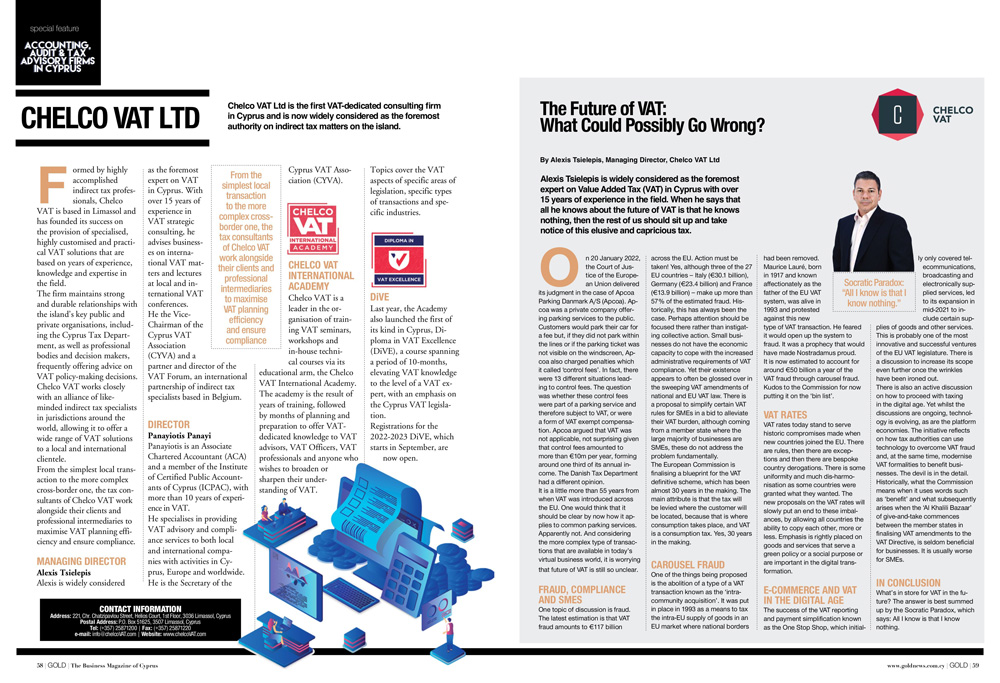
All I know is that I know nothing

Our own, Alexis Tsielepis, is widely considered as the foremost expert on Value Added Tax (VAT) in Cyprus with over 15 years of experience in the field. When he says that all he knows about the future of VAT is that he knows nothing, then the rest of us should sit up and take notice of this elusive and capricious tax. In an article published yesterday in Gold business magazine titled “The future of VAT: What could possibly go wrong?”, the outspoken Alexis talks about the paradoxes of VAT, saying that it is worrying that the future of VAT is still so unclear. On what’s in store for VAT in the future, he invokes the Socratic Paradox, which says: All I know is that I know nothing. Read Alexis’ comprehensive analysis here.

Continue ReadingAll I know is that I know nothing

RCB Bank shifts from banking to asset management

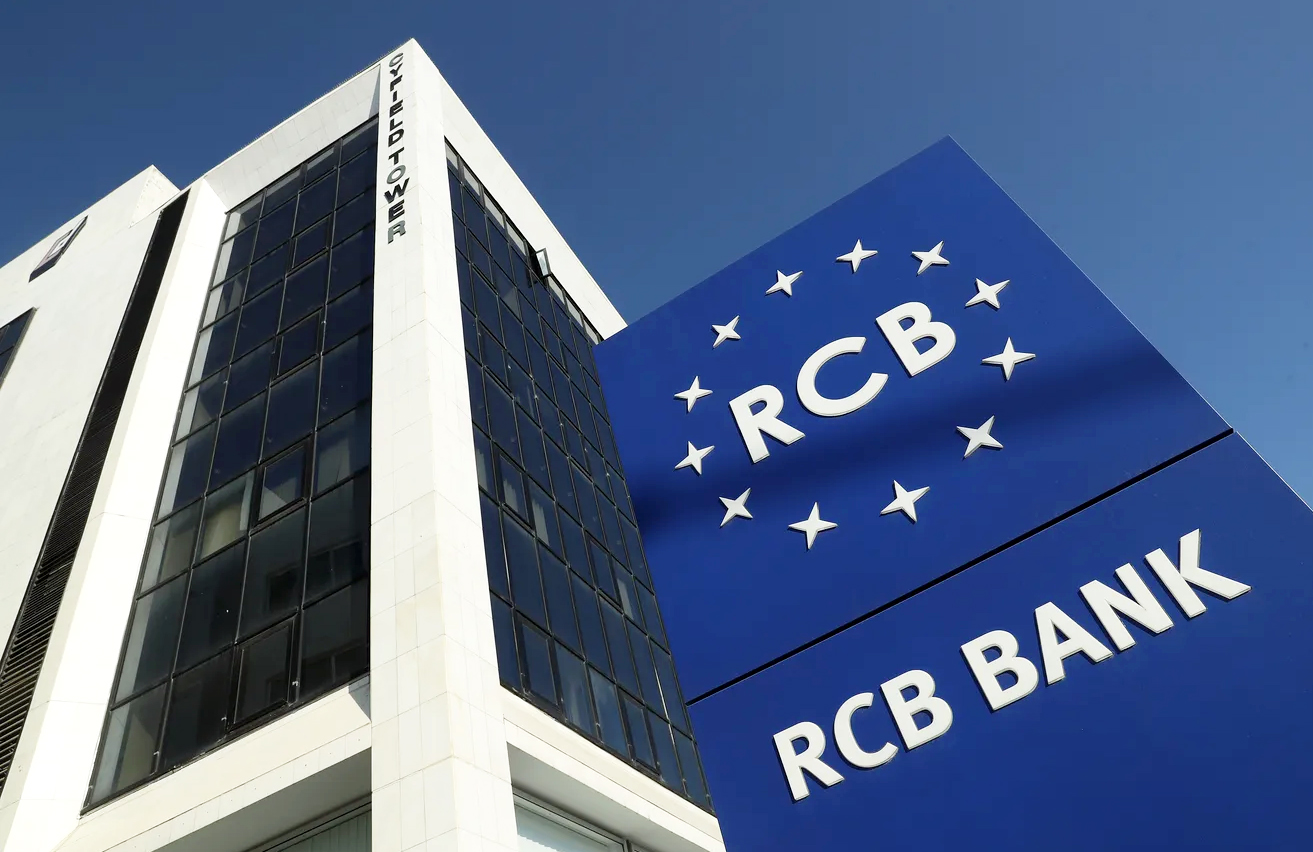
Limassol - RCB Bank announced last week that it will cease operating as a bank and would become an asset management company. The bank cited the “ongoing and extremely volatile geopolitical situation” as the key reason for its transformation and adoption of a new business model, despite its ample liquidity and capital, saying that this helped to ensure the best interests of its clients. The announcement came two days after the bank boosted its liquidity levels by selling a performing loan portfolio, worth €556mln to Hellenic Bank, with the approval of the European Central Bank (ECB). “The Bank will proceed with the full repayment of all its obligations towards its clients and continue focused on the management of the remaining assets,” RCB said in a statement issued on Thursday, 24 March, a month after the start of Russia’s invasion of Ukraine. “After the bank completes its shift away from accepting deposits and granting loans, it plans to transform into a regulated asset management company, given the substantial assets on its balance sheet,” RCB said, adding that “during this transformation process, RCB Bank will continue to service its existing clients and process all requests for payments or deposit transfers to accounts with other banks, meeting any current obligations.” Shortly after RCB’s announcement the ECB issued a release fully endorsing the decision “to voluntarily phase out its banking operations” and offering its assurances to depositors. The ECB announcement said: “The bank’s plan, which includes full repayment of all depositors, follows the impact of geopolitical risks on its operations since the Russian invasion of Ukraine.” The ECB decided “to appoint a temporary administrator to closely monitor RCB Bank’s liquidity position and capital position and to oversee the orderly repayment of its depositors.” The temporary administrator would not replace the current management body, but instead work with it for the orderly implementation of the bank’s voluntary phasing-out plan. There had been warnings for the bank, as there was an outflow of deposits after Russia’s invasion of Ukraine. Much of RCB’s business depended on the Russian market while the escalation of the war and broadening of sanctions increased the uncertainty about its future operations. RCB Bank (formerly Russian Commercial Bank) was founded in 1995 and is headquartered in Limassol, Cyprus, with branches in Nicosia and nine other locations. Russia’ 2nd largest bank, VTB owned a controlling stake in RCB until it sold all its shares to Cypriot shareholders in the midst of the economic effects caused by the war in Ukraine in February.

Continue ReadingRCB Bank shifts from banking to asset management

Cyprus economy to suffer by sanctions on Russia

Cyprus’ GDP could be affected by between 1.5-2% during 2022 if Cypriot airspace remains closed to Russia for the entirety of 2022, rating agency DBRS Morningstar reported yesterday. “DBRS Morningstar estimates that Cyprus could lose 1.5-2% of Gross Domestic Product (GDP) in 2022 if the airspace closure is maintained for the whole year,” the report said, noting that “the impact will be much smaller if the restrictions are lifted before the summer season or if Russian tourists find alternative routes to Cyprus.” DBRS, the world's 4th largest credit ratings agency, also noted that despite the negative impact, the war in Ukraine will not derail the medium-term prospects of the Cypriot economy. In its report, DBRS said that the sanctions against Russia after its invasion of Ukraine, as well as the counter-sanctions imposed by Russia in retaliation, “have increased the negative risks to the otherwise strong medium-term economic prospects of Cyprus”, with the risks primarily linked to declining tourism revenues and higher energy prices. Recalling that the Russian market is the 2nd largest for Cyprus, the agency added that the ban on flights could reduce tourist arrivals by approximately 20-25% in 2022, although it believes that the Cypriot tourism industry will partially make up for it with tourists from other markets, including the United Kingdom. The report also points out that even if the sanctions on flights are short-lived, the arrivals of Russian tourists in Cyprus are expected to be seriously affected by the large impact of the sanctions on the Russian currency and economy. “It is clear that the tourism industry may face short-term pressures due to the setback in Russia, however, the comparative advantage of Cyprus, in terms of its attractiveness of tourists, will remain positive this year,” it added. DBRS Morningstar takes the view that the benefits stemming from the improving situation in relation to the coronavirus pandemic in Europe, as well as the stimulus measures provided by the EU, will mitigate the risks and continue to support Cyprus’ economic recovery. “DBRS Morningstar continues to believe that the medium-term prospects of Cyprus remain solid and the country is in a good position to manage and adapt to the situation, depending on the duration and depth of the crisis,” the report stated. At the same time, DBRS notes that “the European Commission’s forecast for a growth rate of 4.1 per cent in 2022 now looks optimistic.” According to data of the World Travel & Tourism Council the tourism sector contributed 13.8% to the Cypriot GDP in 2019. In addition to the potential impact on tourism from Russia, the rapid and significant increase in oil and gas prices would raise energy costs for the private sector. The agency said that petroleum products accounted for 90% of total available energy in Cyprus in 2019, adding that “the main risk is associated with higher prices, rather than supply disruption, as Cyprus imports about 1 per cent of its energy needs from Russia.” Furthermore, while Cyprus’ dependence on Russian energy is very low,…

Continue ReadingCyprus economy to suffer by sanctions on Russia

Alexis Tsielepis to address the 5th Cyprus International Tax Conference

Representing the Cyprus VAT Association (CYVA), our own Alexis Tsielepis will present the latest efforts to harmonise VAT rates in the European Union at the 5th Cyprus International Tax Conference in Nicosia on 15 March 2022. Tsielepis’ presentation, titled “Flexibility on VAT rates in the European Union: A welcome change with a sting in the tail” will be delivered in the afternoon of the full day event, which is excepted to attract senior professionals from the law, audit, accounting, corporate, banking and investment fields from all over Cyprus. Tsielepis, Vice-Chairman of CYVA and the Managing Director of Chelco VAT Ltd, will analyse to his fellow professionals the current efforts by the EU Council to harmonize VAT rates across member states and to promote lower VAT rates for green and digital transitions and the protection of public health. “Governments may welcome these measures albeit with a hint of hesitation, for good reasons!” Tsielepis commented, setting the tone for his presentation. Other featured topics at the conference include tax reforms and the Cypriot reality, the EU tax perspective and forthcoming actions, the Pillar Two agreement and the implications for Cyprus, DAC6, green tax reform and Cyprus an international business centre and a technology hub. The 5th Cyprus International Tax Conference will be held at the Hilton Nicosia Hotel and is considered one of the most important gatherings for tax professionals in Cyprus. The latest and most critical tax developments will come under the spotlight, both at a European and international level with distinguished speakers from the private and public sectors and policymakers sharing insights on recent tax decisions and updates. More information on the Tax Conference can be found here.

Continue ReadingAlexis Tsielepis to address the 5th Cyprus International Tax Conference

Chelco VAT launches all-new website

Limassol - Chelco VAT Ltd has just released its all-new website at www.chelcoVAT.com. The Chelco VAT website was redesigned, rebranded and rewritten from the ground up. It features an all-new E-Library, making searching and finding information easier, faster and more intuitive. It also features a brand new page for the Chelco VAT International Academy, a sort of website within a website, with information on the Academy’s various educational programs, including the recently launched Diploma in VAT Excellence (DiVE), as well as an interactive calendar of past, present and future events. The website is also easier to navigate, it’s more search engine friendly and is fully integrated with the company’s social media. The all-new website incorporates the latest website technologies, securities and safeguards and is fully compatible with mobile devices, including mobile phones and tablets. Come on in!

Continue ReadingChelco VAT launches all-new website

Tax reform for Cyprus in 2022

Nicosia - Cyprus will proceed with a tax reform next year, including the increase of corporate income tax and the introduction of green taxation with a view to achieve its environmental targets, Finance Minister, Constantinos Petrides, said this week. Speaking before the Parliament's plenary ahead of the debate for the 2022 state budget on Thursday, Petrides said the tax reform will be "more fair, fiscally neutral" and will be finalised in 2022. Petrides noted that the global agreement over 15% taxation on global multinational companies “provides the Republic of Cyprus an opportunity to improve its national taxation framework through the reduction of administrative burden with a reduction of the taxation burden for businesses securing a neutral reform.” “In our estimates, increasing corporate tax in Cyprus from 12.5% to 15% will not affect foreign investments in Cyprus by a substantial extent,” he said, adding that “as an investment destination Cyprus has comparative advantages that offset this minor corporate tax hike.” He noted that in the context of the discussion, Cyprus, apart from the increase in corporate taxation, will consider issues such as reducing extraordinary contribution on deemed or real distribution of dividends, reducing contribution on interest income and the reduction or abolition of the €350 annual company levy. The reform, he added, also includes the introduction of carbon taxation, the gradual increase of taxation on fossil fuels and the introduction of environmental levies “with a view to attaining our environmental targets and the overhaul of the VAT rates on the basis of the recent Ecofin decision for products associated with public health and green and digital transition.” Moreover, Petrides stressed the importance of absorbing EU funds and especially from the EU Recovery and Resilience Fund. “The utilisation of this tool is particularly important due to the reforms we committed to implement through the national Recovery and Resilience Plan,” he said, calling for the collaboration of the government with the legislature “with a view to supporting this ambitious reform effort to the benefit of our country.” He called on the MPs to approve the budget, stating that this budget aims at “sustainable development and social cohesion.” However, he also called MPs to refrain from submitting draft bills for increased state spending without proposing offsetting measures. “Fiscal sustainability the importance of which has been proven as never before during the crisis is not something we must jeopardise,” he said, adding that public finances are still vulnerable to a new potential wave of the Covid pandemic.

Continue ReadingTax reform for Cyprus in 2022

ECOFIN reaches agreement on updated rules for VAT rates

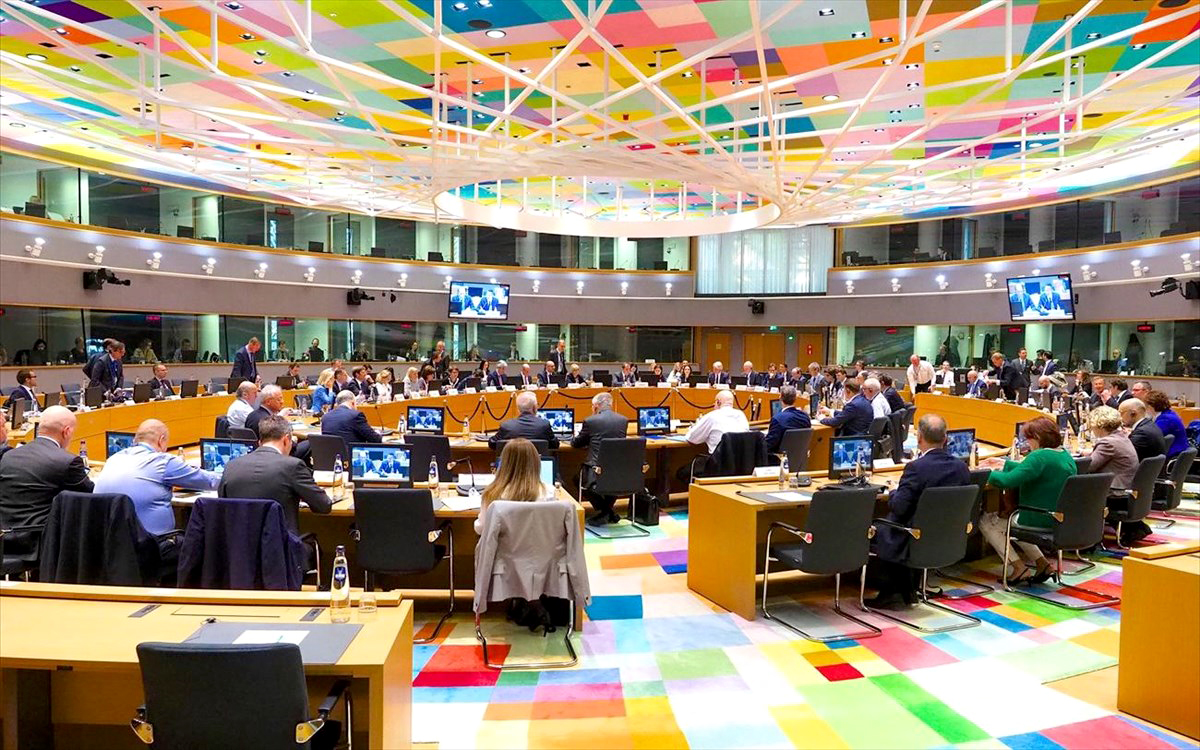
Brussels - The European Union’s Economic Financial and Affairs Council (ECOFIN) reached an agreement today on a proposal to update EU rules on rates of Value Added Tax (VAT). The new rules reflect member states’ current needs and the EU's present policy objectives, which have changed considerably since the old rules were put in place. The updates ensure member states are treated equally and give them more flexibility to apply reduced and zero VAT rates. The rules will also phase out preferential treatments for environmentally harmful goods. “Today, we agreed on the proposal for a Council directive on rates of value added tax. This file has been discussed in the Council for a long while, and I’m glad that we have found a way to bring it to conclusion,” Andrej Šircelj, Slovenian Minister for Finance, said. The Council updated and modernised the list of goods and services for which reduced VAT rates are allowed (Annex III of the VAT directive), taking into account the digital transformation of the economy. The update of the list was driven by a number of principles, such as the benefit of the final consumer and the general interest. However, to prevent a proliferation of reduced rates, the Council decided to limit the number of items to which reduced rates could be applied. The list includes such goods and services as foodstuffs, pharmaceuticals and medical equipment, passenger transport, books, newspapers and periodicals, admission to entertainment venues such as theatres, museums and amusement parks, and much more. The Council also decided to ensure that all member states are treated equally. To achieve this, existing derogations that allowed some member states to apply preferential rates for certain products were opened to all member states, provided that they are compatible with the agreed principles. A new provision in the VAT directive was also added to address possible future crises and to enable member states to respond swiftly to exceptional circumstances, like pandemics, humanitarian crises or natural disasters. The Council agreed to phase out reduced VAT rates or exemptions on fossil fuels and other goods with a similar impact on greenhouse gas emissions, by 1 January 2030. Reduced rates and exemptions for chemical fertilizers and chemical pesticides will end by 1 January 2032, to give small-scale farmers more time to adapt. In addition, the Council introduced environmentally-friendly goods and services in the list for which reduced rates are allowed, such as solar panels, electric bicycles and waste recycling services. Background and next steps The Commission issued its proposal to amend a Council directive on the common system of value added tax as regards rates of value added tax on 18 January 2018. Once the Parliament has issued its opinion on the proposal, the Council will formally adopt the directive.

Continue ReadingECOFIN reaches agreement on updated rules for VAT rates